Recognising alcoholism
Alcoholism is characterised by a strong, often uncontrollable desire for alcohol. Naturally, the more someone drinks, the more accustomed their body becomes to the effects of alcohol, so they have to drink more than before to feel a ‘high’. This produces what is known as tolerance. Tolerance often results in physical dependence on the substance, which can develop into alcohol addiction.
Although alcoholism affects millions of people around the world, it is not openly talked about or understood; many people who would benefit from treatment at a rehab clinic may not reach out for help, as they’ll be unaware that their drinking is out of control. The most telling sign of someone with alcohol addiction is they will prioritise their drinking above anything else, including friendships, family and work.
Someone with a dependence on alcohol may seem like they function as normal. There are people suffering from it that have full-time careers and families. However, hiding the signs of alcoholism does not mean that it doesn’t exist. So, it’s essential to talk about and consider attending a rehab centre.
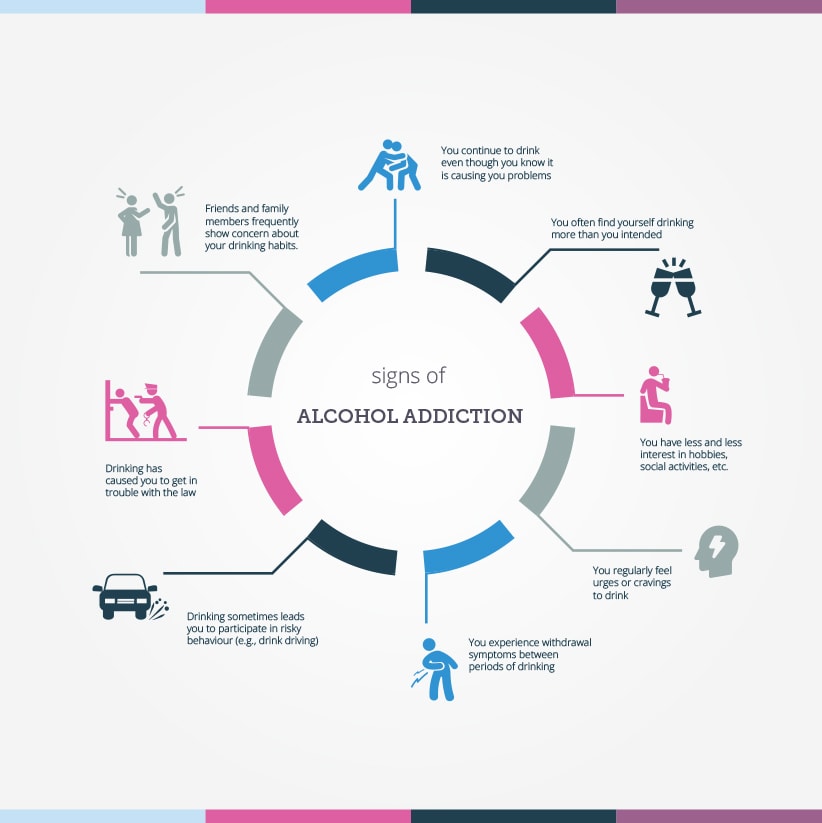
If someone with an addiction to alcohol goes a long period without drinking, their body, which has become accustomed to it in the blood, responds by signalling something is wrong. This reaction, otherwise known as withdrawal symptoms, is the body’s way of adjusting to the blood’s drop in substance levels and makes the person feel unwell. Symptoms of withdrawal include sweating, nausea, panic and shaking.
Here are some symptoms and side-effects of alcohol addiction:
Why should someone seek rehab for alcoholism?
Alcoholism sometimes goes deeper than consuming alcohol. It can be caused by something in the person’s life that hasn’t been addressed, which drinking offers an escape from.
Rehab gives someone struggling with alcoholism the chance to address the sources of their pain which encourage them to drink. It puts them in a safe environment with others who are going through a similar experience, as well as with experienced professionals so that they can talk to therapists at their own pace and without judgement.
Rehab is an opportunity to tackle the entire process, rather than just the drinking, which may be a symptom of a deeper issue.
Alcohol treatment
There are two parts to alcohol treatment: detox and rehabilitation. Detox deals with the physical aspect of addiction, whereas rehabilitation works with a person’s mindset towards alcohol.
Alcohol detox
Detox involves allowing the body time to rid itself of any harmful substances. This is done in a controlled environment to make your loved one feel as comfortable as possible. If there are high levels of alcohol in a person’s bloodstream then medication can be used to wean them off gradually and reduce discomfort.
If you are concerned about someone with alcohol addiction, please discourage them from self-detoxing, as this causes a shock to their body and could be lethal, especially if there is a high volume of alcohol in the blood or detox is attempted too fast. It is always safer to detox with a medical professional.
Alcohol rehabilitation
Rehabilitation involves a holistic approach towards alcoholism, using therapy to talk through any underlying issues that the person wants to address. Being surrounded by others in a similar situation will give someone with alcoholism a third-person perspective on how their alcohol dependence affects those around them, and therefore contributes to reconnecting with others when they return home.
Inpatient vs outpatient rehab
Outpatient rehab

Outpatient rehab involves going into the clinic for treatment and then heading back home each day. Some people prefer this option, as it allows them to be in their own home and not take time away from work. However, it is not always possible to provide a dedicated therapist.
Visiting whichever therapist is available that day may result in repeating their circumstances over and receiving different advice.
Inpatient rehab
Inpatient rehab, also known as residential rehab, involves staying in the rehabilitation premises during treatment. Inpatient programmes provide stability and constant care throughout the programme and often provide aftercare to residents to support them in their recovery post-treatment. Being away from routine for a while also gives someone suffering from substance abuse disorder time to reflect on their options and focus all their attention on their recovery.