Pet dental cover for illnesses and injuries, built into your plan
Unlike a lot of pet insurers, Petplan cover against dental injuries and illness as standard. You may be wondering why our insurance covers dental illnesses, when others don’t. This is because we know that your pet’s teeth and gums are a crucial part of their health. In fact, since cover for dental injuries and illness is so important, it is one of the three questions we think you should ask when researching pet insurance.
Three questions to ask your pet insurer
To make sure you end up with a policy that will give your pet the best possible care, always look beyond the headlines and ask pet insurance companies these three simple questions:
- Are there any additional limits within the Veterinary Fees cover?
- Do you cover dental illness and injury?
- Will I pay more if I claim?
If you choose Petplan’s Covered for Life® pet insurance we have no additional limits for specific conditions or diagnostic tools. And yes, of course as long as you have an annual dental check and follow your vet’s advice we cover dental illness and injury. And no, you won’t pay more if you claim.
Does my pet need cover for dental injuries and illness?
As a responsible pet owner, you’ll know what it takes to keep their coat trim and their teeth clean. But did you know that if their mouths aren’t healthy, they have the potential to impact the rest of the body? This can lead to further illness.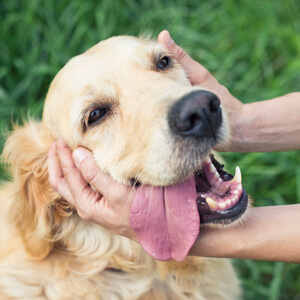
Just like us, dogs and cats are susceptible to teeth and gum problems, including plaque build-up, periodontal disease, cavities and gingivitis. Of course, our four-legged friends use their teeth for a lot more than we do – grooming themselves and carrying all sorts in their mouths while exploring and playing – making cover for dental injuries and illnesses all the more important. And although you might expect dental treatment to be included across the board, some insurers may not provide cover for both injury and illness. Meaning that cheaper pet insurance policies may end up costing you more in the long run.
Do Petplan policies cover teeth preventative descaling?
It’s your responsibility to cover the cost of routine health checks and procedures, including preventative descaling, vaccinations, as well as cover against internal and external parasites such as fleas, ticks and worms. However should your pet develop a dental disease or injury despite your best efforts, we can help cover the costs of their treatment, so your pet can have the best care possible.
If your pet is exhibiting signs of common dental problems (as shown below), they could be experiencing some pain in their mouth so make sure to see your vet. As long as your pet has had an annual dental check and you’ve undertaken any recommended treatments within three months of the check, you’re covered. Your annual booster appointment is a great time to schedule your annual dental check-up and most vets are happy to do both at the same time.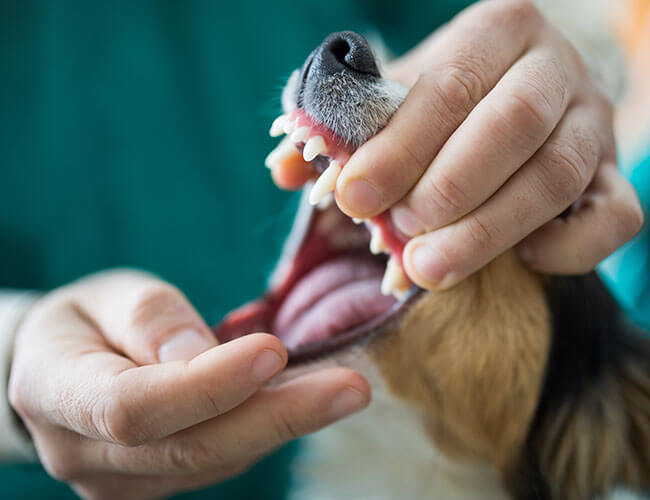 12345
12345
Red or bleeding gums can indicate diseases like gingivitis.
Spotting signs of common dental problems
Red gums
Discolouration of teeth
Decaying or darkened gums
Bad breath
Difficulty eating
Preventing dental issues in dogs
and cats
There are lots of things you can do at home to keep your pet’s teeth strong and white, including daily brushing, good quality food and using veterinary recommended dental treats. It’s important not to use human toothpaste, as it contains fluoride as well as artificial sweeteners like xylitol, which can lead to kidney failure in cats and dogs.
Begin brushing your pet’s teeth at a young age in order to familiarise them with the process. Whilst puppies and kittens also have temporary teeth which will be replaced between three and five months old, they are more likely to accept having their teeth brushed if they get used to the process whilst they are very young and be more amenable to allowing you to putting your fingers in their mouths. It is best to use a finger applicator to apply the pet-friendly dental gel. Larger dogs may accept a soft toothbrush. Look out for our tips on tooth brushing for dogs and cats.