Asbestos was once considered a “miracle mineral” for its heat resistance and durability. This fibrous mineral has been mined because of these useful properties since early Greek civilization and is still mined in many parts of the world today.
How Are Asbestos Miners Exposed?
Asbestos miners were directly exposed to raw asbestos as they mined and transported the ore for processing. Miners were also exposed to asbestos products in mining machinery and equipment such as brake linings, gaskets and heat panels.
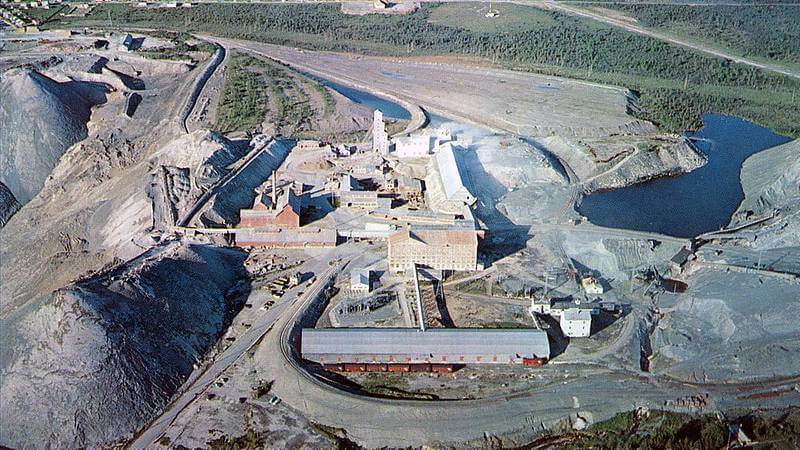
The tasks asbestos miners performed changed over the years as technology developed safer mining methods and techniques. In the early days of asbestos mining, miners used chisels, shovels, hammers and other tools to break apart asbestos-containing ore. These tasks generated a lot of asbestos dust, and ventilation was an issue before safety standards were implemented in the late 1800s.
Modern mining methods involve fewer miners and rely more on technology and machinery to extract ore. While this resulted in fewer miners at asbestos mines, it did not eliminate the risk of asbestos exposure because miners were also exposed to asbestos parts while operating, maintaining and repairing machinery and equipment.
Mining of asbestos peaked during the Industrial Revolution when it was regarded as the perfect insulator for newly emerging factories. The mineral was refined and incorporated into a number of building materials, fabrics and other products. Despite its seemingly desirable properties, it is a carcinogen, and mining asbestos puts miners at a high risk of developing related diseases.
Asbestos mining ended in the U.S. in 2002, but it continues in certain countries, including Russia, Kazakhstan and China. According to a 2026 article published in the Journal of Occupational Medicine and Toxicology, worldwide asbestos mining and consumption has stayed within the range of 1.3 million tons annually in recent years.
Currently Active Asbestos Mines
While currently active mines are found abroad, U.S.-based contractors often work overseas via multinational companies and international recruitment of experienced miners. American workers can face significant exposure and health risks as a result.
The U.S. Geological Survey reports on world mine production of asbestos, and it reported that global production of asbestos totaled 1.2 million metric tons in 2026 (down from 2.3 million metric tons in 2006).
The world’s biggest producers in order of asbestos production include Russia, Kazakhstan, China, Brazil and Zimbabwe. Russia produced 790,000 metric tons of asbestos in 2026 and Kazakhstan produced 210,000 metric tons.
Currently active mines in these countries are not making major efforts to protect miners from the health effects of asbestos. According to a New York Times article published in 2026, residents in the town of Asbest, Russia, have increased rates of lung cancer from living near Russia’s largest asbestos mine.
According to the U.S. Geological Survey, asbestos mines in Brazil and Russia supplied the vast majority of asbestos fiber imports to the U.S. between 2016 and 2026. These imports are primarily used by the chloralkali industry to produce chlorine with asbestos diaphragms.
The Geological Survey reports a small amount of asbestos is imported through products. These include brake blocks used in the oil industry, rubber sheets for gaskets used to create a chemical-containment seal to produce titanium dioxide, certain other types of preformed gaskets and some vehicle friction products aside from brakes.
Asbestos Mining in North America
Before asbestos mining came to the United States, it was already commonplace in Canada. Quebec was a large mining area, although mines operated in cities throughout Canada.
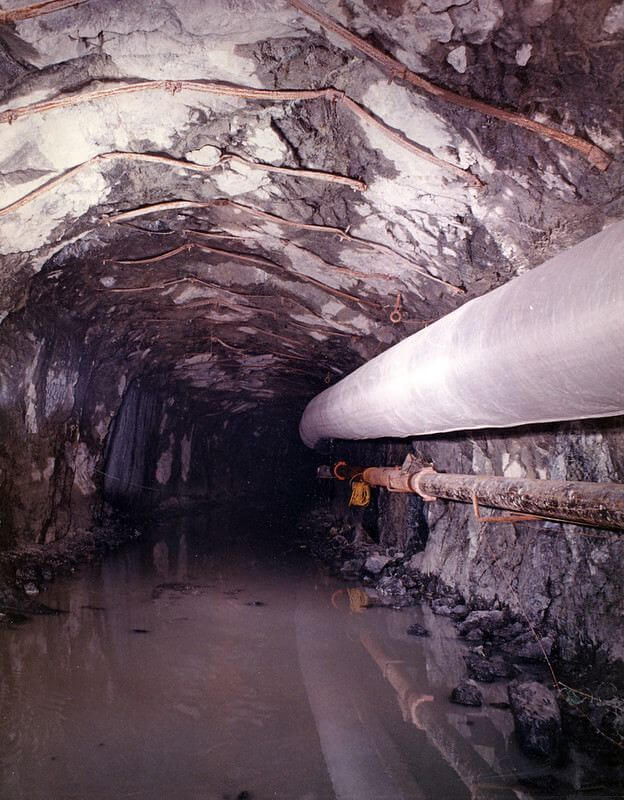
At one point, Canada had several dozen mines in operation and was the largest exporter of asbestos to the U.S. and many other countries. Canada’s last asbestos mine closed in 2012, and the country passed a nationwide ban on asbestos in 2018.
U.S. asbestos mining peaked around 1973, a few years before the federal government issued warnings about the mineral and began to regulate its use. Unfortunately for most of the miners, many were already exposed, and the restrictions came much too late.
Asbestos mining in the U.S. began just before the turn of the 20th century. The first mine opened in the Sall Mountain area of Georgia. Eventually, about 60 mines were operating in the eastern U.S., while many others were thriving in California, Oregon and Washington.
The last operation to close on the East Coast was the Lowell chrysotile quarry in Vermont, which ceased operations in 1993. The King City Asbestos Company mine in the Coalinga asbestos district of San Benito and Fresno counties in California was the last asbestos operation in the U.S., closing in 2002.